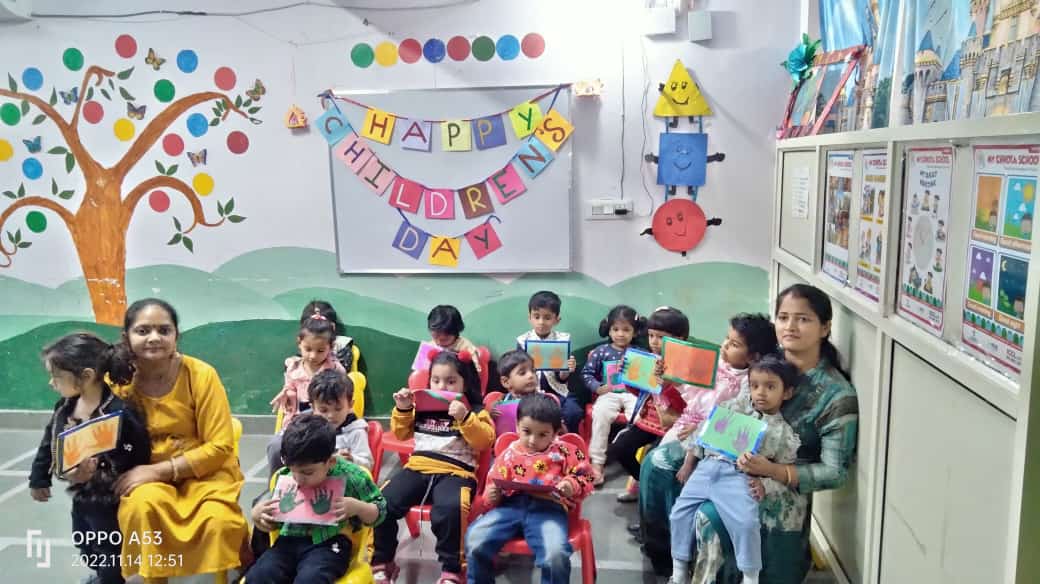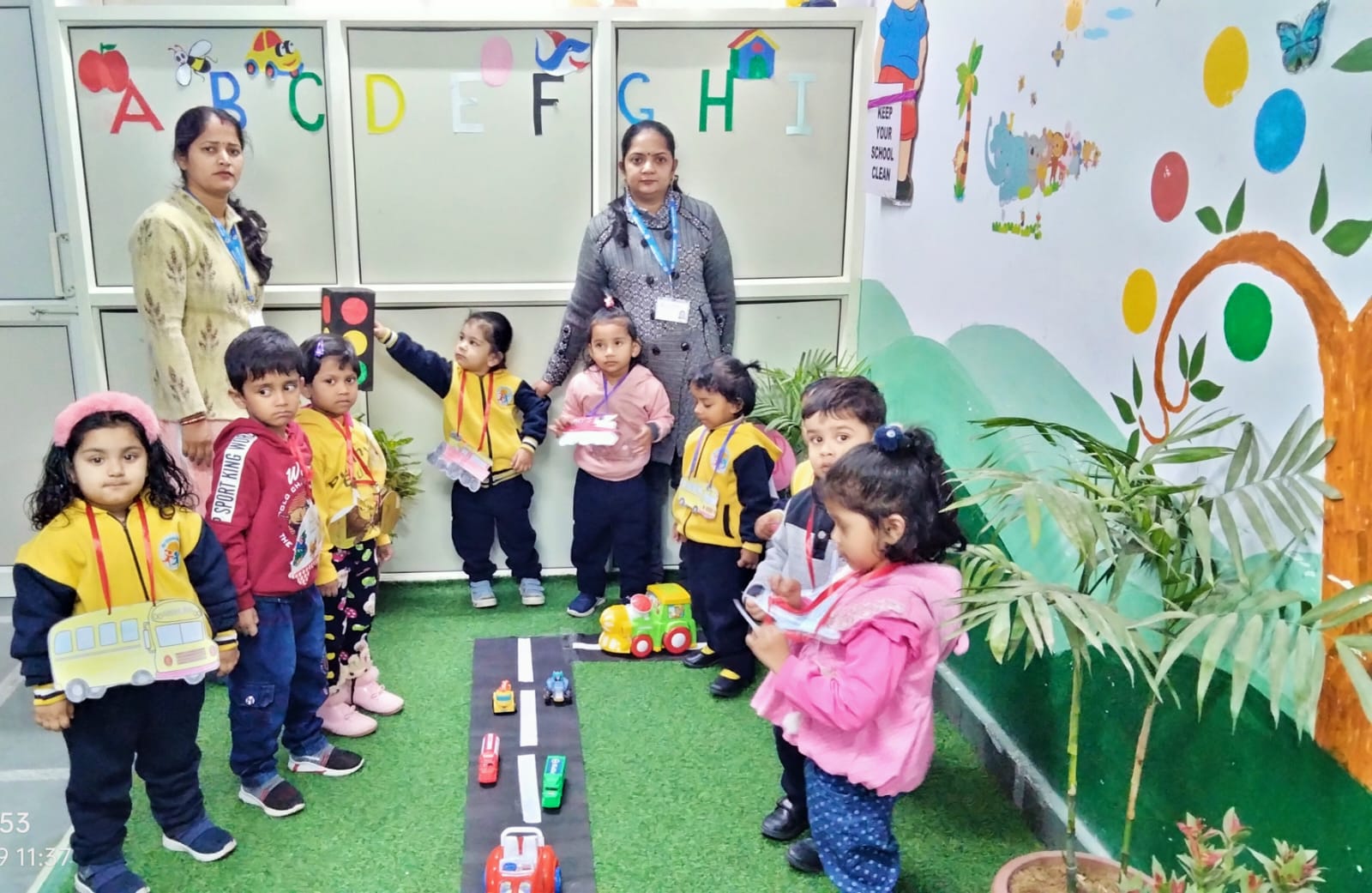
Parenting a toddler (typically ages 3 to 5) is an exciting time! This stage is full of growth, exploration, and new abilities. Toddlers are curious about the world, have endless energy, and are learning to express themselves and navigate social situations. However, along with these milestones come unique challenges, and parents often find themselves juggling patience, creativity, and guidance.
Here’s a guide to help you better understand and support your little one during these formative years.
1. Embrace Their Curiosity
Preschoolers are naturally curious and eager to learn about the world. They ask lots of questions, explore, and even test boundaries as part of their learning process. Here’s how to nurture that curiosity:
- Encourage Questions: Answer their “why” questions with as much patience and clarity as possible. This builds a foundation for learning and lets them know their thoughts are valued.
- Hands-On Activities: Provide opportunities for sensory play, such as sand, water, or clay, and hands-on activities that let them explore textures and shapes.
- Read Together: Choose books that introduce new ideas or experiences and create an enjoyable, interactive routine around reading.
2. Set Clear Boundaries with Kindness
As your child’s independence grows, so does their need to test limits. Establishing boundaries helps children feel secure and understand what’s expected of them.
- Be Consistent: Preschoolers need routines and consistency to feel safe and understand limits. Stick to established rules and routines, like bedtime, mealtimes, and playtime.
- Use Positive Language: Instead of focusing on what not to do (“Don’t run”), focus on what they should do (“Please walk”).
- Model Respectful Communication: Use kind and clear language when setting rules and correcting behavior. Modeling calm and respectful communication helps them learn the same.
3. Encourage Independence
Preschoolers are eager to do things on their own, whether dressing, brushing their teeth, or helping around the house. Encouraging independence boosts their confidence and teaches responsibility.
- Let Them Choose: Offer simple choices, like choosing between two outfits or selecting their snack. This sense of control builds decision-making skills.
- Guide Self-Care: Teach them basic self-care tasks, such as dressing, washing hands, or putting away toys. Celebrate their efforts, even if it takes extra time.
- Assign Small Responsibilities: Simple chores, like setting the table or putting away books, make them feel capable and part of the family.
4. Foster Social and Emotional Skills
Preschoolers are learning to share, take turns, and handle big emotions. This is often challenging for them, so it’s essential to support their social and emotional development actively.
- Practice Empathy: Help them recognize and name their emotions and teach them how to identify emotions in others. Reading stories about feelings or using emotion cards can be very effective.
- Teach Conflict Resolution: Guide your child in problem-solving with peers or siblings, like sharing toys or taking turns. Encourage them to use words like “I feel…” to express themselves.
- Encourage Playdates: Socializing with other children helps them learn cooperation and friendship skills, setting the foundation for strong relationships.
5. Make Learning Fun
At this age, learning should be playful, exploratory, and hands-on. Preschoolers benefit from activities that engage their creativity and problem-solving skills.
- Incorporate Learning into Play: Use building blocks for counting, explore colors and shapes with crayons, or use sorting games to develop math skills.
- Get Moving: Physical activity is crucial for their development. Simple games like hide-and-seek, dancing, or mini-obstacle courses improve coordination and provide an energy outlet.
- Follow Their Interests: Pay attention to what sparks their curiosity. If they love dinosaurs, explore books, activities, and crafts around that theme.
6. Cultivate Patience and Flexibility
Parenting a preschooler requires a great deal of patience, flexibility, and compassion. These years can feel intense as you balance nurturing independence with setting limits, all while handling unpredictable emotions.
- Take Deep Breaths: When things get challenging, take a moment to breathe and respond calmly. Your child learns how to handle stress by watching you.
- Choose Your Battles: Decide which rules are non-negotiable and where there is room for flexibility. If your child wants to wear their pajamas during a play day at home, why not?
- Practice Self-Care: Taking time for yourself—whether it’s a few minutes of quiet, exercise, or connecting with other parents—recharges your energy and helps you stay positive.
7. Celebrate Every Small Win
Preschool years are filled with incredible developmental milestones. Take time to celebrate your child’s achievements, no matter how small. This positive reinforcement motivates them to keep trying new things and builds their self-esteem.
- Recognize Progress: Whether it’s mastering a new skill, making a friend, or expressing emotions more constructively, celebrate it!
- Create a Memory Book: Record these precious moments, whether with photos, drawings, or notes. It’s a beautiful way to cherish these formative years.
Final Thoughts
Parenting a preschooler is a journey full of discovery and learning for both parent and child. Balancing encouragement with boundaries, nurturing social and emotional growth, and creating an environment of patience and understanding will not only help your child grow into a confident, caring individual but also enrich your relationship. Embrace this time, celebrate the milestones, and enjoy the beautiful chaos of raising a preschooler!