Effective Teaching Methodologies for Toddlers: Nurturing a Love for Learning
Teaching toddlers (typically ages 1 to 3) is a unique experience! At this age, children are like sponges, absorbing information from every interaction and environment around them. While toddlers aren’t ready for formal education, they are eager learners through play, observation, and hands-on activities. As caregivers and educators, it’s important to adopt teaching strategies that honor their developmental stage, keep them engaged, and promote joyful, natural learning.
Here’s a guide to teaching methodologies that can effectively support toddlers’ growth and curiosity.
1. Play-Based Learning
For toddlers, play is the primary way they learn and make sense of the world. Play-based learning harnesses their natural enthusiasm and encourages exploration.
- Encourage Free Play: Provide opportunities for unstructured play, where toddlers can freely choose their activities and play materials. Blocks, toys, and simple art supplies help foster creativity.
- Use Pretend Play: Pretend play with dolls, toy animals, or dress-up clothes lets toddlers role-play real-life scenarios, enhancing social skills, language development, and empathy.
- Rotate Toys: Too many options can overwhelm a toddler. Rotating toys periodically keeps their interest fresh and encourages them to explore different skills and concepts.
2. Sensory Exploration
Sensory play is a highly effective method for teaching toddlers, as it helps them understand the world through touch, taste, sound, smell, and sight. It also supports motor skills and cognitive development.
- Set Up Sensory Bins: Fill bins with materials like sand, rice, pasta, or water for hands-on play. Add small toys, scoops, or containers for pouring and sorting.
- Explore Textures and Shapes: Let toddlers feel objects with different textures—like soft fabrics, bumpy toys, or smooth stones—while describing each one to build their vocabulary.
- Engage the Senses During Outdoor Play: Nature provides countless sensory opportunities. Explore the sounds of birds, the feel of sand, or the scent of flowers together.
3. Repetition and Routine
Toddlers thrive on routine and repetition, as it makes them feel secure and helps them retain new information. Building structure into their day creates a framework for learning.
- Incorporate Learning into Daily Routines: Include simple lessons in daily routines, like counting steps while climbing, identifying colors in their clothes, or naming fruits during snack time.
- Read the Same Books: Repeated readings of favorite books help toddlers understand story structures, recognize patterns, and build language skills.
- Use Songs and Rhymes: Singing the same nursery rhymes or songs daily helps with language development and memory. Many toddlers love songs with repetitive actions like “If You’re Happy and You Know It.”
4. Guided Exploration with Open-Ended Questions
While toddlers may not yet understand complex questions, open-ended prompts encourage curiosity and thinking skills. This approach involves observing, describing, and exploring things together.
- Ask Simple Questions: Try questions like, “What do you see?” or “Can you find something soft?” to engage their observation skills and vocabulary.
- Encourage Choices: Let toddlers pick between two activities or toys, giving them a sense of control and decision-making practice.
- Describe Their Actions: If a toddler is building with blocks, narrate what they’re doing: “You’re stacking a red block on top of a blue one!” This reinforces their actions and builds language skills.
5. Storytelling and Language Immersion
Toddlers are in a crucial stage of language development, and rich language exposure can help them build a solid vocabulary and communication skills.
- Daily Storytime: Reading aloud introduces new words, helps toddlers focus, and encourages a love of books. Choose simple, colorful books with repetitive phrases.
- Talk and Narrate Throughout the Day: Explain what you’re doing, from cooking meals to getting dressed, so they’re exposed to varied vocabulary.
- Incorporate Songs and Chants: Songs and rhymes with actions help toddlers pick up new words and enjoy language. Songs with movement help them connect words to actions.
6. Physical Activity and Movement-Based Learning
Physical activity is essential for toddlers, as it helps develop gross and fine motor skills while keeping them engaged and focused.
- Incorporate Movement into Learning: Activities like “Simon Says” help toddlers practice following instructions, and counting while jumping or clapping makes learning numbers fun.
- Outdoor Exploration: Nature walks, playground visits, and open spaces for running and climbing help them build coordination and strength. Simple observations like finding bugs or looking at plants also spark curiosity.
- Fine Motor Activities: Set up activities like playdough molding, threading large beads, or scribbling with crayons to improve hand-eye coordination and fine motor skills.
7. Positive Reinforcement and Encouragement
Toddlers thrive in an environment that celebrates their efforts and builds their self-confidence. Positive reinforcement encourages learning and good behavior.
- Celebrate Small Wins: Praise their efforts, whether they’re stacking blocks or attempting to pronounce a new word. Simple, enthusiastic praise like “Good job!” boosts their confidence.
- Use Visual Cues for Encouragement: Sticker charts or fun stamps provide a visual sense of accomplishment for tasks they’re learning, like cleaning up or saying please and thank you.
- Model Problem-Solving: When they encounter challenges, like fitting a puzzle piece, gently guide them instead of completing it for them. This builds patience and resilience.
8. Create a Safe and Engaging Learning Environment
Toddlers need a safe, engaging, and sensory-friendly environment to explore their surroundings and learn.
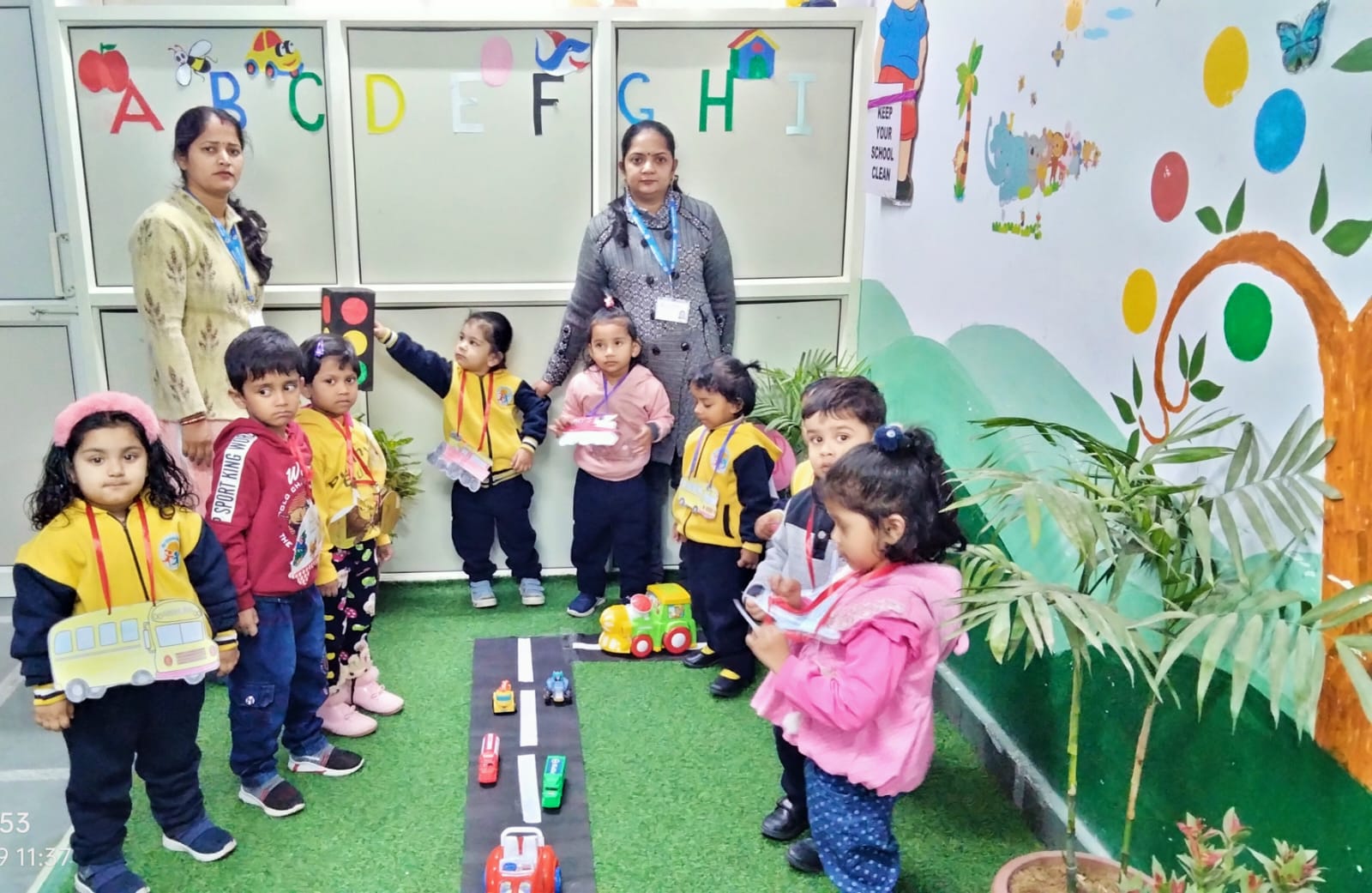
- Set Up Activity Zones: Organize your space into different areas, like a reading corner, a sensory play area, and a space for physical activity, to give toddlers different learning experiences.
- Child-Proof for Exploration: Ensure the area is safe and child-friendly, so they can explore freely without constant supervision.
- Display Visual Learning Aids: Simple posters with letters, numbers, colors, or animals create a print-rich environment that helps toddlers get familiar with basic concepts.
Final Thoughts
Teaching toddlers requires patience, creativity, and an understanding of their developmental needs. Embracing methodologies that prioritize play, sensory exploration, language immersion, and positive reinforcement can create a joyful learning environment that nurtures their natural curiosity. Remember, the goal at this age isn’t formal knowledge but fostering a sense of wonder, confidence, and enthusiasm for learning. By creating a supportive, engaging space, you’re setting the foundation for a lifelong love of learning in your toddler.
Crafting Informative and Cohesive Body Content
Within the body of your blog post lies the heart of your message. Break down your content into coherent sections, each with a clear heading that guides readers through the narrative. Dive deep into each subtopic, providing valuable insights, data, and relatable examples. Maintain a logical flow between paragraphs using transitions, ensuring that each point naturally progresses to the next. By structuring your body content effectively, you keep readers engaged and eager to learn more.
Powerful Closures: Leaving a Lasting Impression
Concluding your blog post isn’t just about wrapping things up – it’s your final opportunity to leave a strong impact. Summarize the key takeaways from your post, reinforcing your main points. If relevant, provide actionable solutions or thought-provoking questions to keep readers thinking beyond the post. Encourage engagement by inviting comments, questions, or sharing. A well-crafted conclusion should linger in your readers’ minds, inspiring them to explore further or apply what they’ve learned.